


Every endurance athlete in the UK or Ireland has questioned whether supplements genuinely help with performance and recovery or are just clever marketing. With intense training sessions and races pushing your limits, smart supplementation can support muscle repair, reduce fatigue, and optimise energy. This guide clears up common myths, outlines evidence-based strategies, and shows which products actually make a difference for long-distance runners and cyclists.
Table of Contents
- Defining Endurance Supplements and Common Myths
- Essential Supplement Types for Endurance Athletes
- How Supplements Enhance Performance and Recovery
- Dosing, Safety, and UK Compliance for Athletes
- Choosing and Integrating Supplements Effectively
Key Takeaways
| Point | Details |
|---|---|
| Understanding Supplements | Endurance supplements are tools that complement training and nutrition, not replacements for a healthy diet. |
| Target Specific Needs | Choose supplements that address your individual performance gaps like energy, recovery, or focus. |
| Quality Over Quantity | Opt for well-researched, reputable brands and avoid excessive dosages that can lead to negative side effects. |
| Monitor Responses | Track your performance and recovery effects to determine which supplements work best for you individually. |
Defining Endurance Supplements and Common Myths
Endurance supplements are designed to help you run further, cycle longer, and recover faster. These aren’t magic pills—they’re tools that work alongside proper training and nutrition. Understanding what they actually do separates real benefits from marketing hype.
What Exactly Are Endurance Supplements?
Endurance supplements are dietary products containing natural substances that complement your training efforts. Ergogenic aids designed for athletic performance include amino acids, protein, creatine, and caffeine. Each has specific roles during long-distance events.
They’re meant to enhance three key areas:
- Aerobic capacity and oxygen utilisation during sustained effort
- Muscle endurance to delay fatigue in the final kilometres
- Recovery speed between training sessions and events
Think of them as support players on your team, not the star striker. Your diet, training programme, and sleep provide the foundation.
The Myth About Replacing Real Food
Here’s where most athletes get confused: supplements complement a healthy diet, they don’t replace it. You cannot outpace poor nutrition with the right supplement stack. Many endurance athletes believe that taking the right powder solves dietary gaps—it doesn’t work that way.
Your meals should provide 80–90% of your nutritional needs. Supplements fill remaining gaps. Real food contains vitamins, minerals, and fibre that powders simply cannot replicate.
Common Misconceptions You’ve Probably Heard
Myth One: All supplements work for everyone. Reality? Response varies significantly between individuals. Your genetics, training history, and current fitness level all influence how much a supplement actually helps you.
Myth Two: More supplement intake equals faster times. Overdoing it wastes money and can cause stomach discomfort during races. Quality matters infinitely more than quantity.
Myth Three: Supplements are banned or dangerous. Most common endurance supplements are legal and safe when sourced from reputable suppliers and used correctly. Always check that products meet UK and Irish standards.
What Actually Works vs Marketing Claims
Some supplements have solid research backing them for endurance athletes. Others rely heavily on marketing claims rather than evidence. The difference matters when you’re investing your money and trusting your performance.
Before buying anything, ask yourself: Does this have peer-reviewed research supporting it? Does it address my specific weakness—whether that’s energy availability, recovery, or mental focus?
Supplements work best when they target genuine nutritional gaps in your training programme, not marketing promises.
Pro tip: Read independent reviews from trusted sources before purchasing any endurance supplement, as marketing claims often exaggerate real benefits.
Essential Supplement Types for Endurance Athletes
Not all supplements serve the same purpose. Some boost energy during races, others rebuild muscle after hard training, and a few help you absorb oxygen more efficiently. Knowing which supplement does what prevents wasting money on products that won’t help your specific performance goals.
Carbohydrate and Energy Supplements
During long endurance events, your body burns through glycogen stores at a predictable rate. Energy gels, sports drinks, and carbohydrate powders replace these depleted fuel sources mid-race. This isn’t optional—it’s physics. Without adequate fuel delivery, your performance crashes after 90 minutes of intense effort.

Endurance athletes typically need 30–60 grams of carbohydrates per hour during events lasting over two hours. The form matters less than consistency—gels, liquids, and solid bars all work if your stomach tolerates them during running or cycling.
Protein and Amino Acids
Amino acids and protein supplements support muscle recovery between training sessions and races. Your muscles sustain microscopic damage during hard efforts; protein rebuilds and strengthens them.
Consume protein within two hours post-exercise for optimal adaptation. Whey protein isolate absorbs quickly, making it ideal after races. For everyday recovery between sessions, whole food sources like chicken and eggs work just as well.
Caffeine for Mental and Physical Performance
Caffeine does more than wake you up. It reduces perceived effort during hard efforts, delays fatigue in the final kilometres, and sharpens decision-making when your mind feels foggy in mile 18 of a marathon.
Most endurance athletes benefit from 3–6 milligrams per kilogram of body weight, consumed 30–60 minutes before racing. Start experimenting during training—race day is never the time to discover caffeine jitters.
Electrolytes and Hydration Aids
Sweat contains sodium, potassium, and magnesium. Replacing these minerals maintains fluid balance and prevents cramping, particularly in events lasting over 90 minutes. Plain water alone doesn’t restore electrolyte losses.
Key electrolyte supplements include:
- Sodium sachets for adding to water bottles
- Sports drinks with established electrolyte ratios
- Capsules designed for endurance events
- Coconut water powder as a natural alternative
Recovery-Specific Supplements
Beta-alanine, creatine, and beetroot juice all enhance different recovery or performance pathways. Beta-alanine buffers lactic acid accumulation. Creatine increases phosphocreatine stores for high-intensity efforts. Beetroot juice improves blood flow and oxygen delivery.
The best supplement for you depends on your specific weakness—not marketing hype or what works for your training partner.
Pro tip: Test every supplement during training before racing; your digestive system responds differently under race-day stress and dehydration.
To clarify the practical use and impact of common endurance supplements, here’s how key options compare:
| Supplement Type | Main Function | Typical Timing | UK Compliance Advice |
|---|---|---|---|
| Carbohydrate | Fuel muscles for endurance | During long events | Check ingredients for purity |
| Protein/Amino Acids | Repair and build muscle tissue | Within 2 hours post-workout | Choose third-party verified brands |
| Caffeine | Boost focus, reduce fatigue | 30–60 min before event | Avoid excessive intake |
| Electrolytes | Prevent cramps, maintain fluid balance | Throughout event | Ensure accurate sodium/potassium ratios |
| Creatine/Beta-Alanine | Enhance energy, buffer acidity | Daily for weeks | Follow recommended dose, cycle use |
| Beetroot Juice | Improve blood flow, reduce oxidative stress | Before training or competition | Source naturally, check for additives |
How Supplements Enhance Performance and Recovery
Supplements work by addressing specific physiological bottlenecks during endurance training and racing. Rather than creating magical gains, they optimise existing processes your body already uses. Understanding the mechanisms behind each supplement type helps you use them strategically.
Energy Production During Sustained Effort
Your muscles rely on stored phosphocreatine for rapid energy release during intense contractions. Once depleted, you fatigue quickly. Creatine supplementation increases energy availability for muscle contractions, allowing you to maintain power output when glycogen runs low.
This matters most during the final kilometres of a race when your aerobic engine is maxed out. Creatine takes 3–5 days to accumulate in your system, so it’s not useful pre-race; instead, it’s a long-term training tool.
Reducing Muscle Acidosis
When you push hard, your muscles produce hydrogen ions that lower pH and trigger fatigue signals in your brain. Beta-alanine buffers this acidity, delaying the point at which your legs feel like cement.
You’ll notice the effect around minute 90 of hard efforts when aerobic metabolism alone can’t sustain your pace. The supplement needs 4–6 weeks of consistent use before effects emerge, making it another long-term investment rather than race-week addition.
Accelerating Muscle Repair
After punishing training sessions, your muscles require amino acids to rebuild stronger. Protein supplements deliver these building blocks rapidly, triggering muscle protein synthesis within hours of training.
This accelerated recovery compounds over months. Better recovery means you can tolerate more training stimulus, which drives bigger fitness gains. Timing matters—consume protein within two hours post-exercise for maximum effect.
Mental Performance and Focus
Caffeine improves focus and endurance by blocking fatigue signals and sharpening decision-making. During hour three of a race, mental clarity often determines who pushes through and who backs off.
Caffeine also reduces perceived effort, making hard paces feel manageable. This psychological benefit sometimes matters as much as the physiological one during close competitions.
Reducing Oxidative Stress
Intense training generates reactive oxygen species that damage cells and slow recovery. Antioxidant-rich supplements like beetroot juice and certain vitamins combat this stress, supporting faster adaptation.
Key performance benefits include:
- Enhanced blood flow and oxygen delivery
- Reduced inflammation between training sessions
- Faster replenishment of glycogen stores
- Improved sleep quality and repair processes
Supplements amplify the effects of proper training and nutrition—they don’t replace either.
Pro tip: Track how each supplement affects your performance and recovery in a training log; individual responses vary dramatically, and what works brilliantly for your teammate may do nothing for you.
Dosing, Safety, and UK Compliance for Athletes
Getting the dose right separates effective supplementation from wasted money or worse—health risks. Too little and the supplement does nothing. Too much and you risk side effects or legal complications in competitive sport. UK athletes face specific regulatory requirements that most don’t even know about.
Understanding Correct Dosing Protocols
Every supplement has an optimal dose range where benefits emerge without toxicity. This range varies dramatically between products. Caffeine works at 3–6 milligrams per kilogram of body weight; creatine requires 3–5 grams daily; beta-alanine needs 3–6 grams spread across the day.
Ignoring these ranges creates problems. Excessive caffeine causes jitters, sleep disruption, and anxiety. Too much creatine stresses your kidneys unnecessarily. Underdosing wastes your money entirely.
Third-Party Verification and Product Quality
Not all supplements sold are what the label claims. Supplement adulteration and mislabelling create serious safety risks for athletes relying on accurate ingredient lists. Some products contain banned substances entirely by accident, putting your eligibility at risk.
Choose products with third-party verification from organisations like Informed Sport or NSF. These certifications guarantee what’s on the label actually matches what’s inside the bottle.
Doping Compliance in UK Sport
UK athletes competing under UK Anti-Doping rules face strict liability. If a banned substance appears in your system—even from an unknowingly contaminated supplement—you face sanctions. This isn’t theoretical risk; it happens regularly.
Always check supplements against:
- UK Anti-Doping’s prohibited list
- The World Anti-Doping Agency (WADA) banned substance list
- Verified third-party testing reports
- Product labelling for banned ingredients
Supplement Interactions and Timing
Supplement combinations and repeated dosing require careful coordination to avoid additive effects or desensitisation. Stacking multiple stimulants (caffeine plus synephrine, for example) amplifies cardiovascular stress dangerously.
Some supplements lose effectiveness through desensitisation—your body adapts, requiring higher doses for the same effect. Beta-alanine and creatine both show this pattern, so cycling usage periods helps maintain responsiveness.
Safe Sourcing and Storage
Purchase supplements from reputable retailers with transparent sourcing practices. Elevate Supplements stocks third-party verified products specifically chosen for safety and efficacy. Avoid unknown online sellers or suspiciously cheap products.
Store supplements properly—cool, dry conditions prevent degradation and contamination. Check expiry dates before use.
Here is a quick reference for supplement dosing and essential safety checks for UK athletes:
| Supplement | Typical Dose | Key Safety Check | Compliance Resource |
|---|---|---|---|
| Caffeine | 3–6 mg/kg body weight | Avoid extra stimulants | UK Anti-Doping Prohibited List |
| Creatine | 3–5 g daily | Monitor kidney function | Informed Sport certification |
| Beta-Alanine | 3–6 g daily (split doses) | Cycle use, monitor tingling | NSF Certified for Sport |
| Electrolytes | Varies with sweat loss | Accurate mineral ratios | Product labelling review |
| Protein | 20–40 g post-exercise | Avoid proprietary blends | Ingredient transparency |
Never gamble with supplements; the cost of a doping violation far exceeds any performance benefit.
Pro tip: Maintain a supplement diary logging exactly what you take, when, and in what dose; if side effects occur or testing raises questions, you’ll have documented evidence of your usage patterns.
Choosing and Integrating Supplements Effectively
Choosing the right supplements means matching products to your actual performance gaps, not following trends or copying what other athletes use. Your training weaknesses differ from your teammates’, so your supplement strategy should too. Integrating them safely requires planning and knowledge.
Identifying Your Specific Performance Gaps
Before buying anything, diagnose what actually limits your performance. Are you running out of energy mid-race? That’s a carbohydrate timing problem. Do you struggle recovering between hard sessions? Protein becomes priority. Does mental fatigue hit in hour three? Caffeine deserves consideration.
Write down your three biggest performance limiters. This focuses your supplement selection on what genuinely matters for your goals.
Evaluating Supplement Quality and Credibility
Choosing supplements wisely requires evaluating nutrient content and verifying third-party quality certifications. Don’t trust marketing claims alone. Look for independent testing from Informed Sport, NSF Certified for Sport, or equivalent bodies.
Check product labels for transparent ingredient lists. Avoid supplements with proprietary blends hiding actual dosages. If the label doesn’t clearly state what’s inside and in what amount, skip it.
Consulting Professional Guidance
A sports nutritionist or your doctor helps ensure supplements complement—not conflict with—your specific health profile. Some athletes have conditions where certain supplements create risks. Others take medications that interact with specific supplements dangerously.
Professionals also help you avoid unnecessary supplementation. Many endurance athletes buy supplements they don’t actually need, wasting money and potentially creating side effects.
Building Your Supplement Stack Strategically
Start with one supplement addressing your biggest weakness. After two weeks, assess whether you notice real benefits. Only then add a second product. This approach reveals which supplements actually help you individually.
Consider these priorities when stacking:
- Carbohydrate and hydration strategies first (non-negotiable for endurance)
- Protein for recovery (most athletes undereat it from food alone)
- Sport-specific aids like caffeine or beta-alanine second
- Recovery supplements last (lowest priority compared to basics)
Timing and Integration Protocol
Supplement effectiveness depends heavily on timing. Caffeine works best 30–60 minutes pre-race. Protein absorbs optimally within two hours post-exercise. Creatine and beta-alanine require weeks of accumulation before effects emerge.
Write a specific supplement schedule matching your training calendar. Race weeks differ from base-building weeks—your supplement strategy should reflect this.
The best supplement is the one you’ll actually use consistently and that genuinely addresses your performance weakness.
Pro tip: Test supplements during low-pressure training sessions and shorter races before committing them to your A-race day; individual responses vary dramatically, and race day is never the time to discover unexpected side effects.
Unlock Your Endurance Potential with Targeted Supplements
Struggling to find the right endurance supplements that truly support your energy levels, recovery, and mental focus? Many athletes face these challenges as the article explains—fueling your muscles consistently, accelerating repair with protein and amino acids, and staying sharp with caffeine all play crucial roles in conquering long events. At Elevate Supplements, we understand these specific needs and offer a carefully curated selection designed to fill your nutritional gaps and amplify your training efforts.
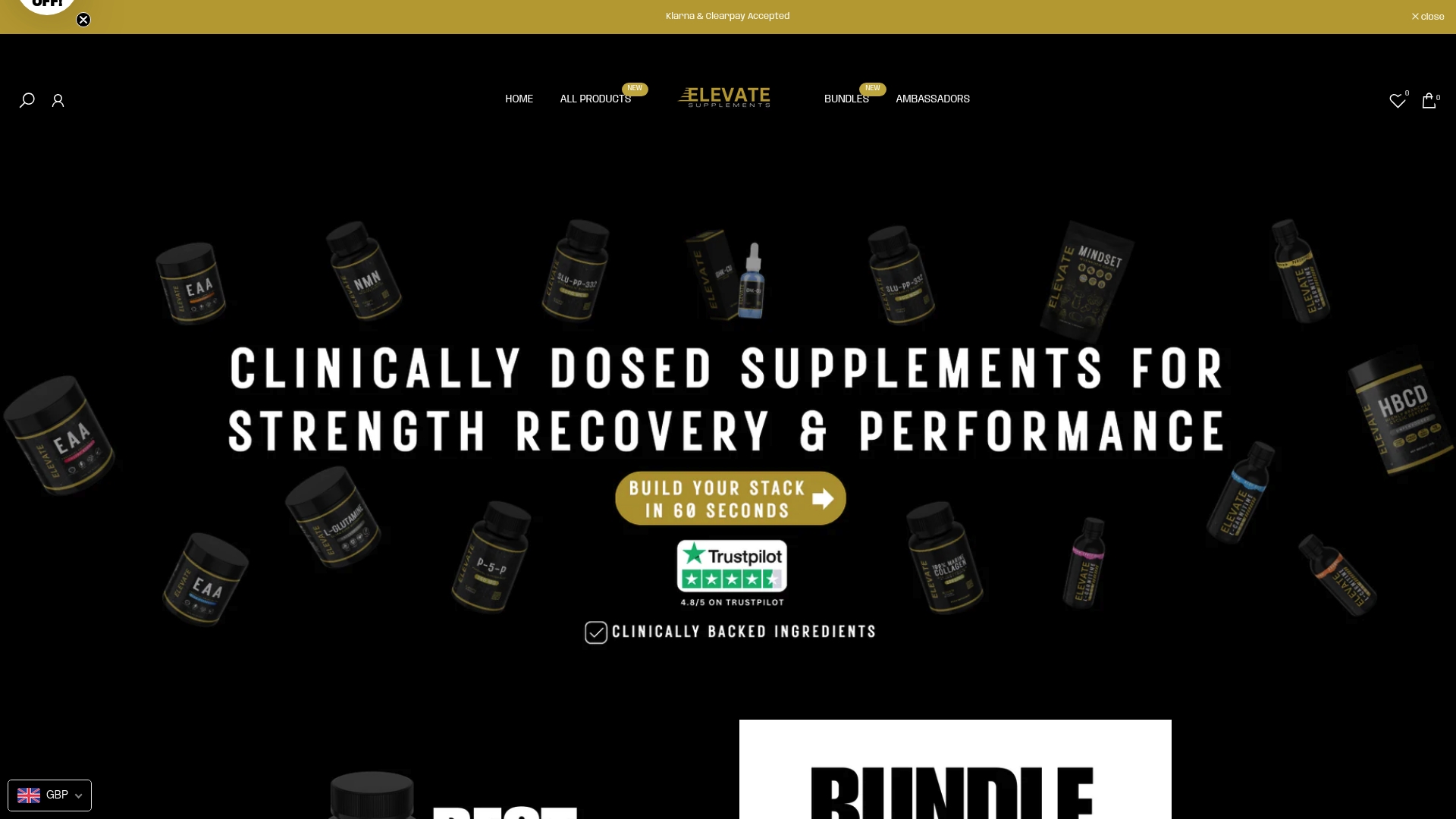
Explore our full range of premium products at ALL ELEVATE PRODUCTS – ElevateSupplements / Elevate Your Supplements and experience fast UK and Ireland delivery with secure checkout options. Whether you need carbohydrate powders, amino acids, or caffeine supplements, you can trust our quality and third-party verified sourcing. Take control of your endurance performance today by visiting https://elevatesupplementsstore.com and building your personalised supplement stack that actually addresses your real weaknesses and goals.
Frequently Asked Questions
What are endurance supplements, and how do they work?
Endurance supplements are dietary products designed to support athletic performance by enhancing aerobic capacity, muscle endurance, and recovery speed. They work by providing necessary nutrients that complement proper training and nutrition.
Can endurance supplements replace a healthy diet?
No, endurance supplements should complement a healthy diet, not replace it. A balanced diet should provide the majority of your nutritional needs, with supplements filling in any gaps.
How can I determine which supplements are suitable for my needs?
Identify your specific performance gaps, such as energy availability, recovery, or mental focus. Choose supplements that target these weaknesses, and ensure they are backed by peer-reviewed research.
What is the importance of third-party verification for supplements?
Third-party verification ensures that the supplement contains what the label claims and meets safety standards. This is crucial for avoiding contaminated or mislabelled products, which could pose health risks or lead to doping violations.
Recommended
- Role of Supplements in Wellness: Performance and Recovery – ElevateSupplements
- 7 Proven Vitamin Supplement Advantages for UK Fitness Fans – ElevateSupplements
- Role of Reviews in Choosing Supplements Wisely – ElevateSupplements
- How to Stack Supplements Safely for Maximum Results – ElevateSupplements
- Amino Acids in Recovery – Why Athletes Need Them


