


TL;DR:
- Post-workout nutrition enhances recovery, muscle repair, and glycogen replenishment for better performance.
- Timing is flexible but eating within 1-2 hours is most effective, especially with frequent training.
- Focus on quality protein, carbohydrates, and hydration first, using supplements as needed.
Post-workout nutrition is one of those topics that gets buried under broscience, Instagram myths, and overly cautious advice. Many fitness enthusiasts assume it only matters if you’re a professional athlete or training twice a day. That assumption costs you recovery time, muscle repair, and long-term performance. The science is clear: what you consume after training shapes how well your body rebuilds, refuels, and prepares for the next session. Whether you’re lifting three times a week or running daily, your post-exercise choices matter more than most people realise. This guide breaks down the physiology, the timing, the practical food choices, and the edge cases so you can stop guessing and start recovering smarter.
Table of Contents
- Understanding the science: what happens after exercise?
- Why timing matters: the post-workout ‘window’
- What to eat after training: food, fluids and supplements
- Beyond the basics: individual needs and edge cases
- The real-world take: why post-workout nutrition is both simple and personal
- Take your recovery further with Elevate
- Frequently asked questions
Key Takeaways
| Point | Details |
|---|---|
| Refuel quickly | Eating carbohydrates and protein within two hours after exercise speeds up recovery and boosts your next workout. |
| Hydration matters | Restoring lost fluids post-exercise prevents cramps and supports overall recovery. |
| Balance food and supplements | A food-first approach is best, with supplements only as a personalised addition. |
| Individualise your plan | Adjust your post-workout nutrition to your training frequency, goals, and personal recovery needs. |
Understanding the science: what happens after exercise?
Every hard training session leaves your body in a temporary state of stress. Muscle fibres develop small tears, glycogen stores in your muscles and liver drop significantly, and your fluid balance shifts. These aren’t signs of damage to fear; they’re the stimulus for adaptation. But only if you support the process with the right nutrition.
When you train intensely, your body draws heavily on glycogen as its primary fuel source. By the time you finish, those stores can be substantially depleted. Without replenishment, your next session starts at a deficit. Post-workout nutrition optimises recovery by refilling glycogen stores, which directly affects how energised and capable you feel during your next workout.
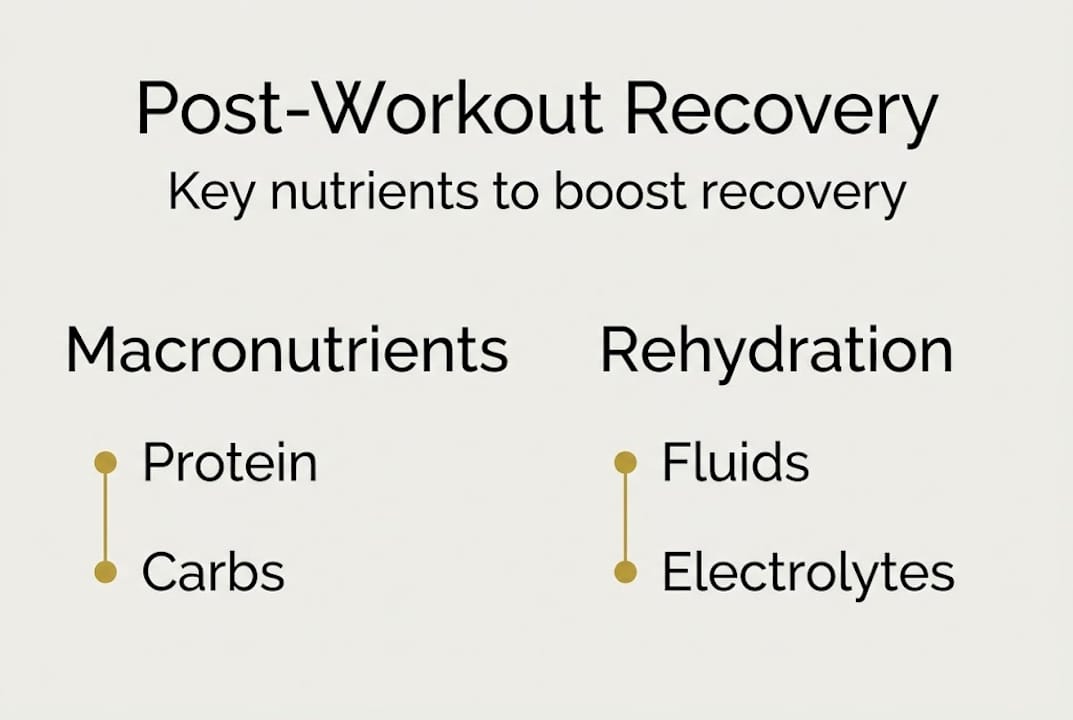
Muscle protein synthesis is the other critical process. During exercise, muscle protein breakdown increases. After training, protein intake accelerates muscle repair and synthesis, tipping the balance towards growth and recovery rather than continued breakdown. Without adequate protein, this repair process is slower and less complete.
Fluids and electrolytes round out the picture. Sweat losses during training affect blood volume, cardiovascular efficiency, and even cognitive function. Understanding nutrition’s role in recovery means recognising that hydration is as fundamental as macronutrients.
Here’s a quick summary of what your body needs and why:
| Nutrient | Primary role | Timing priority |
|---|---|---|
| Carbohydrates | Glycogen replenishment | High within first 4 hours |
| Protein | Muscle repair and synthesis | High within 1 to 2 hours |
| Fluids and electrolytes | Restore hydration and blood volume | Immediate and ongoing |
| Micronutrients | Support enzymatic repair processes | Ongoing through diet |
The key takeaways from the physiology are straightforward:
- Glycogen depletion is real and directly affects your next session
- Muscle protein breakdown continues post-exercise without nutritional support
- Fluid losses impair performance even at modest dehydration levels
- Immediate carb and protein intake is most critical when your next session is within 24 hours
“Recovery is not passive. It’s an active biological process that requires the right inputs at the right time. Nutrition is the signal that tells your body to rebuild stronger.”
For athletes serious about consistent progress, exploring recovery supplements for athletes can further support these foundational physiological needs.
Why timing matters: the post-workout ‘window’
Having covered the need for replenishment and repair, it’s important to understand when the timing of your nutrition matters most.
You’ve probably heard of the “anabolic window,” that supposedly narrow 30-minute slot after training where you must consume protein or your gains evaporate. The reality is more nuanced. Modern research shows the window is wider than originally thought, typically 1 to 2 hours post-exercise, and its importance depends heavily on your training frequency and overall daily intake.
For someone training once every 48 hours with solid daily nutrition, the exact timing of their post-workout meal matters less. But for athletes training twice a day or with less than 24 hours between sessions, immediate post-exercise nutrition combining protein and carbohydrates significantly improves muscle recovery, glycogen replenishment, and reduces fatigue compared to delayed feeding.
Here’s how immediate versus delayed nutrition compares across key outcomes:
| Outcome | Immediate intake (within 1 hr) | Delayed intake (2+ hrs later) |
|---|---|---|
| Glycogen replenishment | Faster and more complete | Slower, especially under 24 hrs |
| Muscle protein synthesis | Elevated sooner | Delayed response |
| Fatigue reduction | Greater in multi-session athletes | Minimal difference for once-daily |
| Practical convenience | Requires planning | More flexible |
For most people reading this, here’s what to do right after training:
- Consume a protein and carbohydrate source within 60 to 90 minutes of finishing
- Prioritise whole food where possible, using supplements for convenience when needed
- Begin rehydrating immediately, not just when thirst kicks in
- If training again within 24 hours, treat post-workout nutrition as urgent, not optional
- If training frequency is lower, focus on total daily intake rather than obsessing over the clock
Key stat: Athletes who consume protein and carbohydrates immediately post-exercise show measurably faster glycogen resynthesis rates compared to those who delay, which is especially significant for endurance and multi-session athletes.
For a deeper look at how to structure timing your recovery nutrition around your specific training schedule, the principles are consistent: earlier is better when frequency is high.
What to eat after training: food, fluids and supplements
With timing clarified, the next step is choosing what to actually consume after a workout for best recovery.

Carbohydrates are your glycogen rebuilders. The evidence-backed target is 1 to 1.2g per kg of bodyweight per hour during the first four hours post-exercise, particularly for endurance athletes or those with high training frequency. For a 75kg athlete, that’s roughly 75 to 90g of carbohydrates in the first hour. Rice, oats, fruit, and potatoes are all solid choices.
Protein targets are more straightforward. Aim for 20 to 40g of high-quality protein or approximately 0.25g per kg of bodyweight per meal immediately after training. Leucine-rich sources such as whey, eggs, chicken, or Greek yoghurt are particularly effective at stimulating muscle protein synthesis.
For hydration, restoring fluid balance prevents cramps, cognitive decline, and performance drops in subsequent sessions. The practical guideline is to replace 125 to 150% of the body mass lost during exercise. If you lost 1kg of sweat, drink 1.25 to 1.5 litres over the following hours. Milk is surprisingly effective here, providing both electrolytes and protein simultaneously. Electrolyte drinks work well for heavier sweaters.
“Food first is always the right starting point. Supplements fill gaps; they don’t replace the foundation.”
On the supplement side, certain supplements can assist recovery in specific situations. Creatine supports power output and recovery between sessions. Omega-3s may reduce exercise-induced inflammation. Caffeine and sodium bicarbonate have performance applications. But these are secondary tools.
Pro Tip: Build your post-workout meal around a protein source and a carbohydrate source first. Then layer in supplements where genuine gaps exist in your diet or training demands.
Here’s a practical checklist for your post-workout nutrition:
- Protein: 20 to 40g from quality sources within 1 to 2 hours
- Carbohydrates: 1 to 1.2g per kg bodyweight in first 4 hours
- Fluids: 125 to 150% of sweat loss, with electrolytes if training was intense or prolonged
- Whole food first, then consider top recovery supplements for convenience or specific needs
For a broader view of how supplements support wellness and recovery, the evidence consistently points to using them as targeted additions rather than replacements.
Beyond the basics: individual needs and edge cases
While core guidelines help most people, some scenarios demand personalised approaches to post-workout nutrition.
Endurance athletes or those training multiple times per day have significantly higher carbohydrate demands. Athletes with less than 24 hours recovery between sessions face the most urgent need for immediate post-exercise carbohydrate intake. Those with longer recovery windows have more flexibility, provided overall daily nutrition is adequate.
Environment matters more than most people account for. Training in hot or humid conditions increases sweat losses dramatically. Losses exceeding 5% of body mass require medical attention, not just a sports drink. If you’re training outdoors in summer or in a warm gym, factor in significantly higher fluid and electrolyte needs.
Sex differences in recovery are an emerging area of research. Some evidence suggests women may oxidise more fat and less carbohydrate during exercise at certain phases of the menstrual cycle, which could influence post-workout carbohydrate needs. The research is still developing, but personalisation based on individual response is always more reliable than rigid universal targets.
One underappreciated factor is psychological. Negative exercise experiences can drive compensatory overeating of energy-dense foods post-workout. If a session felt punishing or demoralising, you may unconsciously reach for more calorie-dense choices as a reward or comfort mechanism. Recognising this pattern is the first step to managing it.
Pro Tip: Track your post-workout food choices for two weeks alongside your session ratings. You may spot patterns between hard or unenjoyable sessions and less optimal nutrition choices.
Here are the individual factors worth adjusting your strategy around:
- Training frequency: more sessions per day means more urgent post-workout nutrition
- Exercise type: endurance demands more carbohydrate; strength training prioritises protein
- Environment: heat and humidity increase fluid and electrolyte needs significantly
- Sex and hormonal status: emerging evidence supports personalised carbohydrate targets
- Psychological state: awareness of emotional eating patterns post-exercise protects your nutrition strategy
For athletes looking to go deeper on recovery nutrition, exploring amino acids for recovery can be a valuable next step, particularly for those with high training volumes.
The real-world take: why post-workout nutrition is both simple and personal
Navigating these complexities, it’s important to keep perspective on what really drives recovery and performance.
Here’s what we see consistently: athletes and fitness enthusiasts who obsess over supplement timing while skipping meals, under-eating protein, or training dehydrated are chasing marginal gains while ignoring the fundamentals. The 80% that actually moves the needle is boring. Consistent meals, adequate protein across the day, sensible hydration, and enough sleep. That’s it.
Supplements are genuinely useful tools. But they work best when the foundation is already solid. A well-timed protein shake after training is valuable. That same shake consumed instead of a balanced meal is a step backwards.
The other thing we’d push back on is rigid dogma. The “anabolic window” panic, the exact gram-per-kilo calculations, the insistence on specific foods. These are useful frameworks, not laws. Your best post-workout nutrition strategy is the one you can actually follow consistently, that fits your food preferences, your schedule, and your training demands.
Personal experimentation, guided by evidence, beats following someone else’s protocol. Use the science as a compass, not a script. And explore supporting wellness through supplementation as part of a broader, sustainable approach rather than a quick fix.
Take your recovery further with Elevate
If you’re ready to optimise your post-workout nutrition strategy with the right support, Elevate makes it simple.
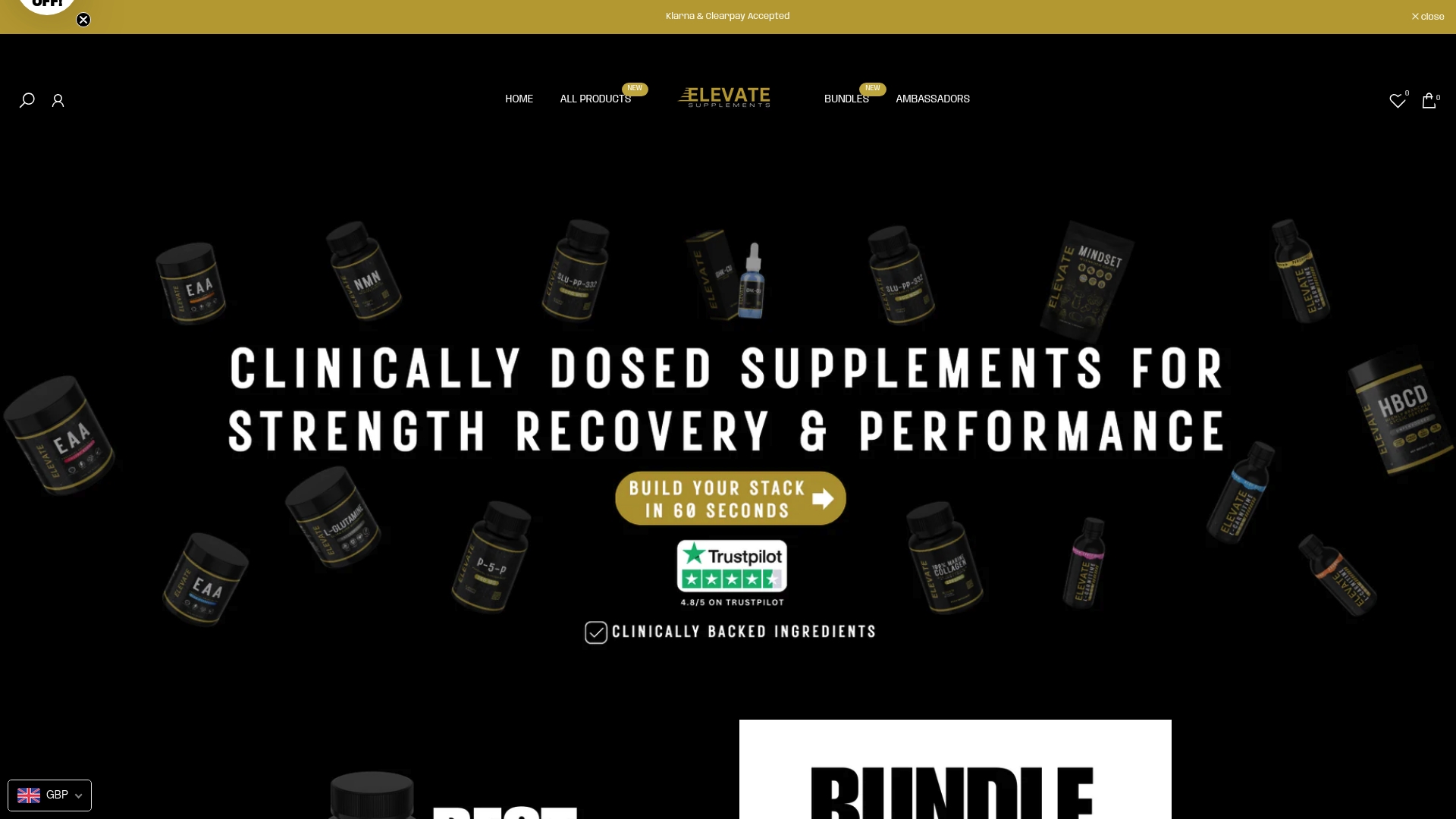
At Elevate Supplements, we’ve built our product range around the same evidence-based principles covered in this article. The Perform & Recovery Stack is designed to support muscle repair, glycogen replenishment, and overall recovery in a convenient, well-formulated package. For those focused on fuelling performance and making the most of nutrient timing, the Fuel & Utilization Stack offers targeted support. Browse the full Elevate range to find the right combination for your training demands, with fast UK and Ireland delivery and free shipping on orders over £100.
Frequently asked questions
How soon after exercise should I eat or drink?
Aim to consume protein and carbohydrates within 1 to 2 hours after exercise, especially if your next session is within 24 hours. Immediate post-exercise nutrition leads to faster recovery compared to delayed feeding.
What’s the ideal post-workout meal for muscle recovery?
Combine 20 to 40g of high-quality protein with 1 to 1.2g per kg of carbohydrates soon after exercise. These recommended protein and carb amounts are consistently supported by the evidence for optimal muscle repair and glycogen replenishment.
Should I use supplements after every workout?
Most people benefit from a food-first approach; supplements are best used to fill specific gaps or for convenience. Prioritising food first with supplements as a secondary, personalised addition is the evidence-backed approach.
How much fluid should I drink after intense training?
Replace 125 to 150% of the body mass lost during exercise using water, milk, or electrolyte drinks. These effective hydration guidelines help restore blood volume and prevent performance decline in subsequent sessions.
Is post-workout nutrition important for everyone or just serious athletes?
Anyone looking to recover well and perform consistently benefits from thoughtful post-workout nutrition. Post-workout nutrition is crucial for all fitness enthusiasts, not just elite athletes training at high volumes.
Recommended
- Recovery supplementation: key benefits, timing & evidence – ElevateSupplements
- Maximise recovery: the essential role of amino acids – ElevateSupplements
- Why recovery supplements matter for athletes in 2026 – ElevateSupplements
- Amino acids for athletes: boost recovery and performance – ElevateSupplements
- Role of nutrition in recovery: optimize your healing | Glendora Recovery Center


